Women who move us
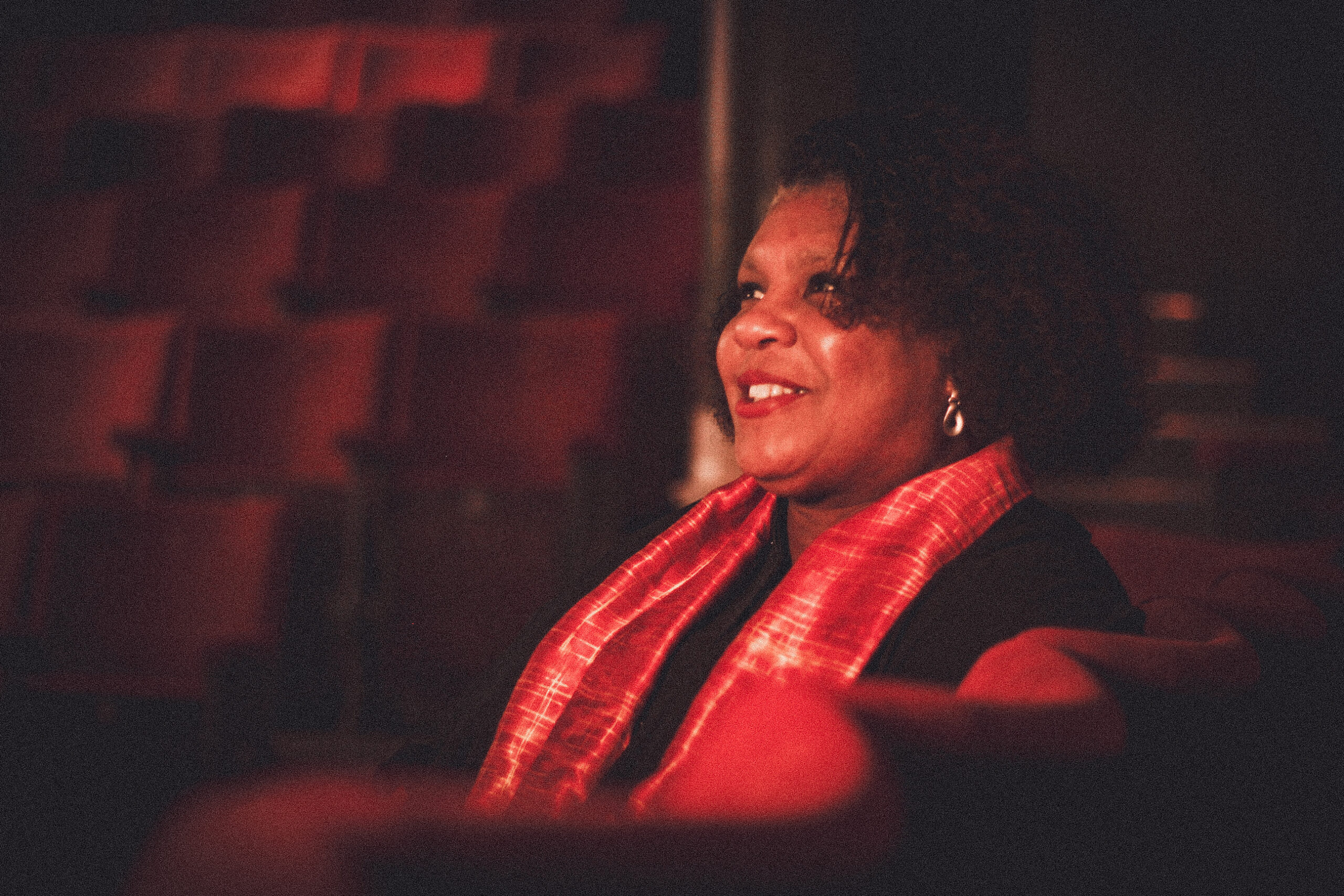
Pawlet Brookes MBE
Pawlet Brookes MBE is the founder, CEO and artistic director of Serendipity Institute for Black Arts and Heritage. Brookes has pioneered the establishment of an annual dance festival in Leicester since 2011 the Let’s Dance International Frontiers and coordinates the high profile annual Black History Month. Alongside curating a number of high profile arts and heritage projects including 100 Black Women Who Have Made A Mark, Brookes has edited over 30 publications. She was awarded an MBE for services to the arts and cultural diversity in the 2022 New Year Honours and was awarded Honorary Fellowships from Northern School of Contemporary Dance in 2022 and Falmouth University in 2025 and an Honorary Doctorate by De Montfort University in 2025.
When was the moment you knew you wanted a career in dance?
I was encouraged to dance by my parents, I was taught to hoof by my Dad and I was a swing as a child, performing in theatres across the UK. I do not think there was a defining moment as dance has always been there.
What is a quote you live by?
My Mum always said “if you do good it will follow your child”.
If you could have lunch with any woman (living or from the past), who would you pick and why?
This is a difficult question; there are so many amazing women who I would love to have lunch with. I recently curated a project called 100 Black Women Who Have Made A Mark, which involved the commissioning of 100 portraits and interviewing the sitters and their friends and families, so fortunately I can say I have had the opportunity to meet so many trailblazing women. I have also had the opportunity to work with so many amazing women from across the dance sector Germaine Acogny and L’Antoinette Stines through to Joan Myers Brown and nora chipaumire (and many others). I would probably have to say Toni Morrison, mainly because I did not get the chance to meet her. She was such a revolutionary writer in her vision about the gaze and what it means to see and be seen as a Black woman. Her work continues to influence me immensely.
Is it more important to be liked or respected?
I think it is more important to be respected. Respect is something that is earned. You might not always able to be liked and to keep everyone happy all the time, but you can do your best to show them why you have made the decisions you have made and to bring them on the journey with you.
How do you manage stress?
Talk. Some days I have sat down for a meeting or podcast interview with the weight of some challenge or another that I am navigating, by the end of the conversation, after listening to a woman tell her story and share her wisdom, I feel inspired to keep on.
Where is your happy place?
I am fortunate to call many places my home, but I am happiest by the sea or in a theatre.
If you were a fruit or vegetable, which would you be and why?
Avocados are rich, versatile, and full of depth much like my approach to life and work. They take time to grow and mature, reminding us that excellence comes through patience, nurturing, and resilience. Avocados also bring balance: they can be the foundation of a dish or the subtle ingredient that elevates everything around it. I see myself in that blend of strength and adaptability able to lead when needed, support when required, and contribute substance, nourishment, and a sense of grounded calm to any environment.
In our dance sector, what do you think is the most pressing issue for women and girls right now and what are you doing about it?
The most pressing issue is the lack of clear progression routes and succession planning for women and girls in dance. Through Serendipity, I’m addressing this by creating structured pathways, leadership development opportunities and intentional succession strategies that ensure women can advance, influence and sustainably shape the sector’s future.
What’s something you regret in your professional dance career?
I try not to have regrets; I think that it is important to navigate each challenge that comes your way and that your worst job can be your best job as you can still learn something, even if that something is how you would not do something.
What question do you wish more people would ask you?
Who do you think we have forgotten to speak to? I am not so worried about people asking me questions, but I think it is always important to question the emerging voices in the room and hear their voices.
What are the 3 leadership traits that best define you?
Listening, Tenacity, Visionary
What book/film/documentary do you recommend most to others?
There are quite a few. I am always telling people to read Toni Morrison’s The Bluest Eye a profound exploration of beauty, race, and the internalisation of societal gaze. It is a text that stays with you and teaches you to look again. I also recommend The Stuart Hall Project, which offers an elegant, incisive reflection on identity, culture, and representation. Together, they provide both the emotional truth and the critical framework needed to understand how narratives shape who we are and how we are seen.
Which lesson has been the hardest to learn?
The hardest lesson to learn has been recognising that challenges are inevitable, but they are never final. It has taken time to understand that every problem has a solution even if the path toward it isn’t immediate or straightforward. Learning to step back, reassess, and trust the process has been a powerful reminder that resilience, clarity, and patience often reveal possibilities that weren’t visible at first. This lesson has shaped my approach to leadership, problem-solving, and collaboration.
What's next for you?
We have a very exciting programme planned for 2026 which includes the return of Shamel Pitts | TRIBE and their new work Marks of RED which is told through the perspectives of six women and meditates on the “womb space” as a site of memory, rupture and potential, exploring how histories shape our senses, bodies and imaginative possibilities.
Cinderella, Pocahontas, Alice in Wonderland or Malefica?
Pocahontas. While the story has often been romanticised, it serves as an important reminder of the need to centre and respect the voices of Indigenous peoples whose lives were irrevocably altered by colonisation. Behind the mythology are real histories of displacement of land, community, culture, language, and dance practices. Choosing Pocahontas is a way of acknowledging that every narrative has multiple perspectives, and that we have a responsibility to honour those that have been silenced, overlooked, or rewritten.
Recommendations
DEADLINE TO APPLY
31st JANUARY 2026

Apply to our Mentoring Programme

If you are seeking to boost your career or perhaps change direction within the dance sector, AWA DANCE can guide you into taking the next step. We want to hear from professionals in the UK dance sector who are interested in developing leadership skills to progress their career.